
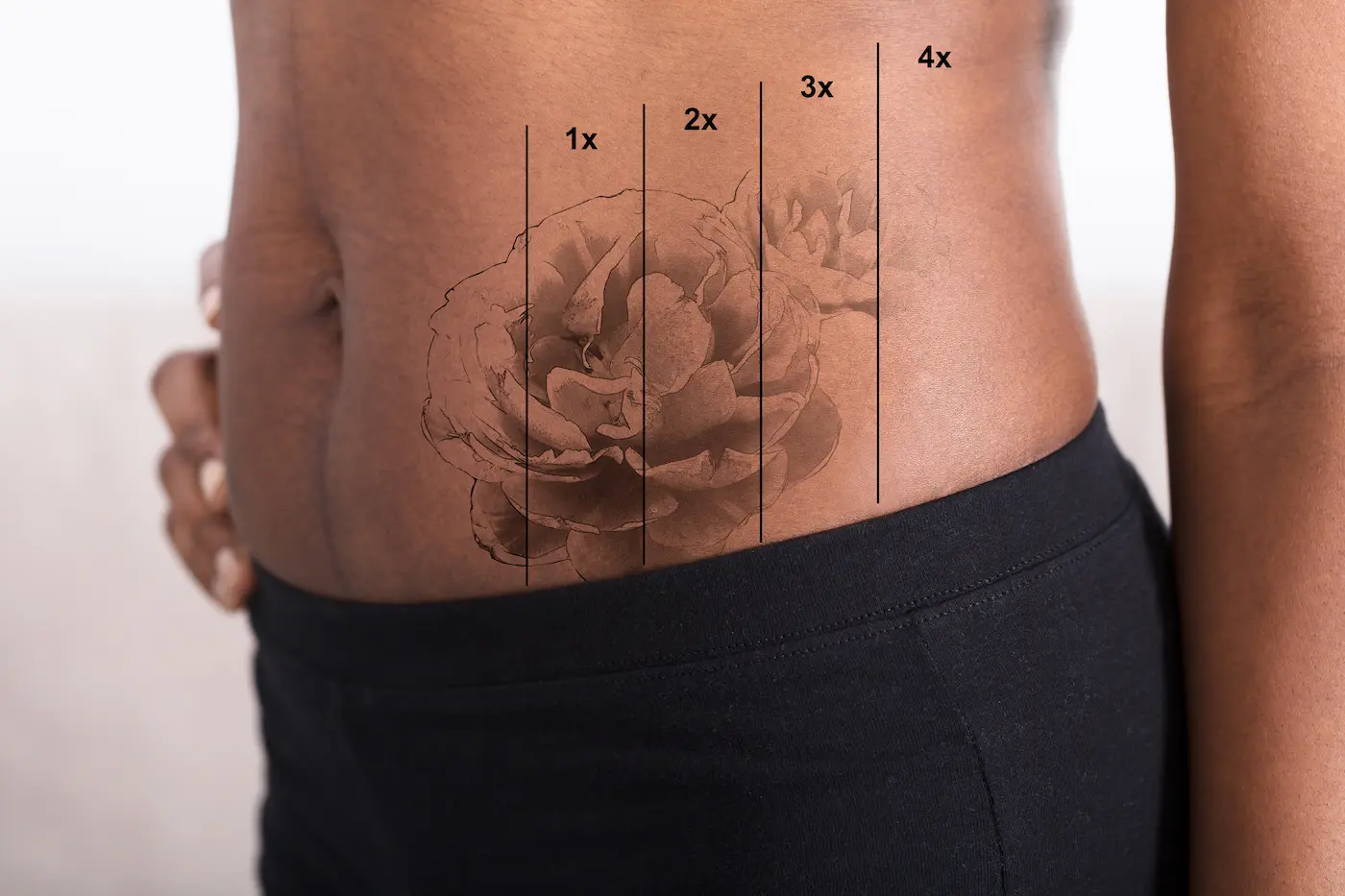
Tattoos can carry deep meaning at one point in life, yet priorities, preferences, and circumstances often change. When a tattoo no longer fits your lifestyle or personal goals, laser tattoo removal offers an effective way to fade or fully remove unwanted ink. Despite its popularity, many people hesitate due to misconceptions surrounding safety, pain, and long-term skin effects.
At OASIS Medical Center of Georgia Corporation in Dallas, GA, laser tattoo removal is performed using advanced technology and medical oversight to support safe, effective outcomes. Separating myths from facts helps patients feel confident about choosing treatment and understanding what to expect.
How Laser Tattoo Removal Works
Laser tattoo removal uses concentrated light energy to target tattoo ink beneath the skin. The laser breaks ink particles into smaller fragments, allowing the body’s immune system to gradually clear them away over time.
Different wavelengths are used to target various ink colors. This precision allows treatment of a wide range of tattoos while minimizing impact on surrounding skin. Multiple sessions are typically required because ink fades progressively rather than disappearing all at once.
Myth One: Laser Tattoo Removal Is Not Safe
Fact: Laser tattoo removal is considered safe when performed by trained professionals using appropriate equipment.
Modern laser systems are designed to target ink specifically without damaging surrounding skin tissue. Safety protocols, skin assessments, and proper aftercare instructions all play a role in reducing risks. When performed in a medical setting, laser tattoo removal has a strong safety record.
Choosing a qualified provider is essential. Proper training ensures the correct laser settings are used based on skin tone, ink color, and tattoo depth.
Myth Two: Laser Tattoo Removal Always Causes Scarring
Fact: Scarring is uncommon when treatments are performed correctly and aftercare guidelines are followed.
The laser targets ink particles, not skin structure. Scarring risk increases primarily when improper techniques are used or when aftercare instructions are ignored. Picking at scabs, excessive sun exposure, or infection can contribute to unwanted skin changes.
Most patients experience temporary redness or mild swelling that resolves as the skin heals. Long-term scarring is rare when treatment is managed appropriately.
Myth Three: Laser Tattoo Removal Is Extremely Painful
Fact: Sensation varies, but most patients describe treatment as tolerable.
Laser tattoo removal often feels similar to a rubber band snapping against the skin. Discomfort levels depend on tattoo size, location, and individual sensitivity. Many clinics use cooling methods or topical numbing options to improve comfort.
Sessions are relatively short, especially for smaller tattoos, which helps limit discomfort duration.
Myth Four: All Tattoos Can Be Removed in One Session
Fact: Tattoo removal requires multiple sessions for optimal results.
Ink particles break down gradually, and the body needs time between sessions to clear them. Most tattoos require several treatments spaced weeks apart. Factors influencing the number of sessions include:
- Ink color
- Tattoo age
- Tattoo depth
- Skin tone
- Tattoo location
Patience and consistency are key to successful results.
Myth Five: Laser Tattoo Removal Works the Same for Everyone
Fact: Results vary based on individual and tattoo-specific factors.
Black ink is generally easier to remove than lighter colors such as green or yellow. Older tattoos tend to fade more easily than newer ones. Skin type and immune response also influence how quickly ink clears.
A personalized evaluation helps set realistic expectations and determine the most effective treatment plan.
What to Expect During Treatment
Before treatment begins, the area is evaluated, and skin type is assessed. Protective eyewear is provided, and the laser is applied in short pulses over the tattooed area.
Treatment sessions may last from minutes to under an hour, depending on tattoo size. Following treatment, the skin may appear red or slightly swollen, which is a normal response.
Healing After Laser Tattoo Removal
Healing is an important part of the process. After treatment, the skin enters a recovery phase where ink particles continue breaking down.
Common after effects include:
- Redness
- Mild swelling
- Temporary scabbing or blistering
These reactions typically resolve with proper care. Patients are advised to keep the area clean, avoid sun exposure, and follow specific aftercare instructions to support healing.
Myth Six: Laser Tattoo Removal Damages Skin Permanently
Fact: Skin typically returns to its natural appearance as healing progresses.
Laser technology is designed to preserve healthy skin tissue. Over time, treated areas often blend seamlessly with surrounding skin. Maintaining proper aftercare and spacing sessions appropriately supports skin recovery.
In some cases, mild changes in pigmentation may occur temporarily. These changes usually improve as skin heals.
Safety Considerations for Laser Tattoo Removal
Several factors contribute to safe treatment outcomes:
- Medical-grade laser equipment
- Experienced providers
- Proper skin evaluation
- Gradual treatment scheduling
- Clear aftercare guidance
Patients with certain skin conditions, active infections, or medical considerations may require additional evaluation before beginning treatment.
Who Is a Good Candidate for Laser Tattoo Removal
Many individuals are suitable candidates for laser tattoo removal. Ideal candidates include those who:
- Are in good overall health
- Have realistic expectations
- Can commit to multiple sessions
- Are you willing to follow aftercare guidelines
Consultation helps determine candidacy and tailor treatment to individual needs.
Why Medical Oversight Matters
Laser tattoo removal involves energy-based devices that require professional expertise. Medical oversight ensures treatments are customized, and safety protocols are followed. This level of care reduces risks and supports better outcomes.
Why Choose OASIS Medical Center of Georgia Corporation for Laser Tattoo Removal in Dallas, GA
At OASIS Medical Center of Georgia Corporation in Dallas, GA, laser tattoo removal is performed with a focus on safety, precision, and patient education. Each treatment plan is tailored to individual skin and tattoo characteristics.
Patients receive clear guidance, medical supervision, and attentive care throughout the removal process.
If you are considering laser tattoo removal and want accurate information about safety and results, contact OASIS Medical Center of Georgia Corporation in Dallas, GA, to schedule a consultation. Understanding the facts can help you move forward with confidence toward clearer skin.